
Using KPV (Ac-KPV-NH2) in combination with banned or unregulated compounds significantly increases safety risks and legal complications. Proper clinical management includes regular follow-up appointments and biomarker monitoring to guide evidence-based dose optimization. Clinical protocols require medical oversight for all dosing modifications based on objective biomarkers and standardized assessment tools. Patients independently modifying KPV (Ac-KPV-NH2) doses based on subjective symptoms often compromise treatment efficacy and safety. Clinical protocols recommend establishing fixed injection times aligned with daily routines to maximize adherence. Research demonstrates that maintaining consistent daily injection times within minutes optimizes plasma concentrations and treatment outcomes.
KPV is most commonly stacked with oral BPC-157 for gut conditions — the two are seen as complementary because BPC-157 supports mucosal healing while KPV provides anti-inflammatory tone. How vial size (bacteriostatic water volume), and insulin-syringe units convert for KPV. Compounded; preclinical data only at consumer-relevant doses.Common usesIBD/IBS adjunct, gut inflammation, eczema/skin (topical) Do not start, stop, or change a peptide therapy based on the result of this tool. This calculator provides estimates based on population averages and published trial data. Add IGF-1 if stacking with growth-hormone secretagogues.
Learn dosing protocols for BPC-157, the most popular stacking partner for KPV in gut healing protocols. Community protocols typically involve applying KPV solution or cream to affected areas 1–2 times daily. They are often stacked because their mechanisms are complementary, not overlapping. KPV is the most directly anti-inflammatory of these peptides, specifically targeting the NF-κB pathway that drives cytokine production. The two peptides target inflammation and tissue repair through complementary mechanisms. Full benefits for chronic conditions often require 4–8 weeks of consistent use.
Choose injectable KPV when the target is outside the gut. The PepT1 upregulation during inflammation creates a self-targeting delivery system that injection cannot replicate. This is the better choice for joint inflammation, whole-body inflammatory conditions, or any target outside the digestive system. This self-targeting mechanism makes oral delivery uniquely effective for gut conditions.
What do online KPV injection protocols usually claim?
Oral KPV is optimal when the gut itself is the target (the peptide contacts the intestinal lining directly). For subcutaneous injection, KPV is supplied as a lyophilized (freeze-dried) powder, typically in 5 mg vials. This is why oral KPV is most effective for gut conditions and less reliable for systemic targets. KPV is only 3 amino acids, one of the smallest bioactive peptides in use. Each route has distinct advantages depending on the target condition.
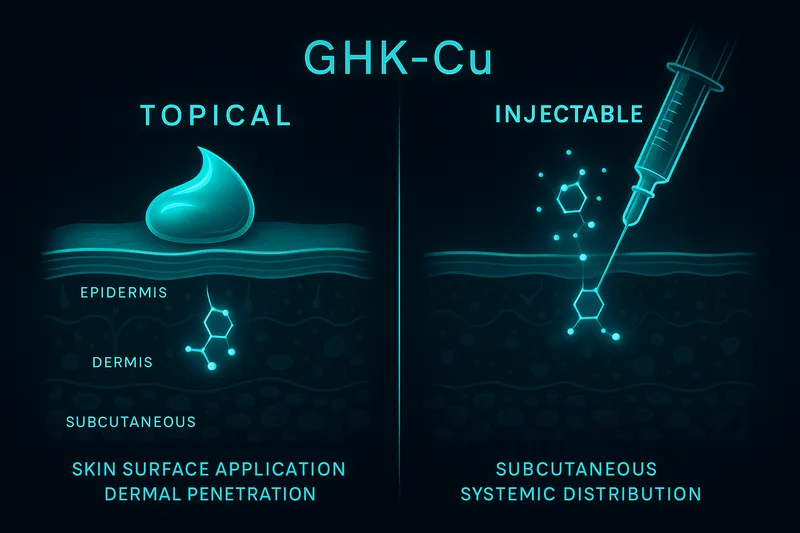
Long-term safety data beyond 16 weeks remains limited, requiring careful risk-benefit assessment for extended treatment protocols. Research protocols often combine topical and systemic administration, using 0.2% topical solution twice daily plus 500 mcg subcutaneous injection once daily. Research participants frequently maintain injection logs documenting administration times (injection sites), and any local reactions. Injection timing is typically scheduled minutes before breakfast to optimize absorption kinetics. Clinical research protocols often initiate treatment at 500 mcg daily for the first week, escalating to 750 mcg based on biomarker responses. Subcutaneous administration protocols typically utilize concentrations of 1-2 mg/mL following reconstitution with bacteriostatic water.
Inflammation is the body’s response to injury or irritation, and too much of it is behind many chronic conditions.
The full hormone has many effects, including darkening the skin, which limited its use in research on inflammation. Many online pages about KPV come from telehealth companies (pharmacy brands), and wellness publishers.
Timelines for community schedules often consist of several weeks followed by a review period; however, these timelines are based on anecdotal evidence and should not be regarded as validated human protocols. Caution should be exercised with patients receiving systemic corticosteroids or other agents that suppress NF-kB due to the potential for additional immunosuppression. Angiogenesis is promoted by TB-500 (raising theoretical concerns for individuals with a history of solid tumors; thus), most oncologists recommend against the use of pro-angiogenic compounds until a disease-free status of five years has been confirmed.
This combination harnesses the anti-inflammatory effects mediated by the melanocortin receptors of KPV, along with the growth factor modulation and angiogenic traits of BPC-157. Documenting the time of injection (the site of administration), and any adverse reactions in a treatment log is advised by most research protocols. For optimal subcutaneous delivery, an insulin syringe with a gauge of 1/2 inch is recommended for the injection of KPV (Ac-KPV-NH2). When concluding treatment cycles, clinical investigators frequently suggest a weekly reduction of 25% in the daily dosage. The treatment protocols for Week 6 and beyond differ greatly depending on individual responses and specific research objectives.
The biggest stack that moves the needle is KPV peptide plus evidence based training and recovery practices. KPV peptide is a fragment of alpha melanocyte stimulating hormone. This means that during active gut inflammation — the body actually increases its capacity to absorb KPV exactly where it’s needed most. Oral delivery wins for gut inflammation, IBD, and colitis because PepT1 transport self-targets inflamed tissue.
Distinct mechanisms and initial observations of BPC-157 administered rectally cannot prove the superiority of KPV or establish a safe and effective combination. The reviewed literature fails to establish a validated dose or schedule for human administration of KPV. A listing of suppliers does not inherently guarantee access for patients. For any clinical service being proposed (inquire about who is responsible for the prescription), including the precise preparation, indication, administration route, follow-up, and management of adverse events.
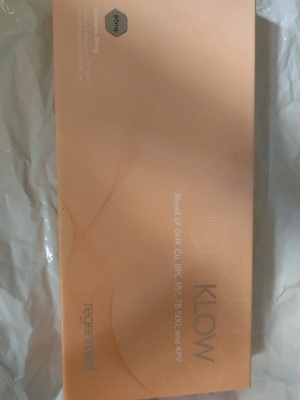
Missing one dose during a six-week regimen is not necessary to correct; weekend breaks are included in the schedule instead of being counted as missed doses. If the day has passed, simply skip it and resume on the next scheduled day without taking an extra dose. If remembered in time — administer it on the same day. Drawing 20 units of KLOW from a U-100 insulin syringe (which corresponds to 0.2 mL), will yield a volume that contains 0.6 mg of KPV along with three additional peptides. The PeRx protocol is unaffected by this, as the dose is given via subcutaneous injection and does not enter the digestive system. The figures of 250 to 500 mcg circulating online are serving sizes derived from research markets without human study validation; these are simply conventions and not actual dosing recommendations.
When searching online for the recommended daily dosage of KPV — the most common suggestion is between 250 to 500 mcg, often divided into two doses and typically associated with an oral product. During your first week — choose a time when you can sit for a few moments afterward. Whether morning or night — pick a time you can consistently adhere to for each dosing day. Meal timing does not affect a subcutaneous injection, so whether you are fasting or not does not matter in this case. The omission of a specific time of day is intentional, as it is not specified. The KLOW Explore PeRxKLOWThe Four-Peptide Repair StackView peptide prescription reflects this understanding.