
The strongest human evidence is for topical use on photoaged skin (where controlled trials have reported improved skin density), thickness, and wrinkle appearance after 12 weeks of daily application. Most of the published human evidence is for topical cosmetic use in photoaged skin. If you want to dig into primary sources — the Pickart & Margolina 2018 review in International Journal of Molecular Sciences is the most comprehensive single document on GHK-Cu’s regenerative actions and is open-access on PMC. A reader trying to decide between GHK-Cu and any of these should treat them as different research questions, not different products in the same category. Matrixyl is purely topical and targets collagen signaling; BPC-157 and TB-500 are research compounds with much more controversial regulatory and evidence profiles.
Research published in Biomedicines explains how GHK-Cu acts as a safe copper delivery system, bringing this essential mineral exactly where it’s needed without the toxic side effects. That decline tracks with visible aging (slower wound healing), thinning hair, and loss of skin elasticity. This copper-bound peptide was discovered in human blood plasma back in 1973 by Dr. Loren Pickart, who noticed that blood from young people promoted tissue repair far better than blood from older people.
For optimal potency, SeekPeptides advises that the vial size should correspond with the duration of your protocol. If using smaller doses, it is advisable to divide the powder into two sterile vials prior to reconstitution, or alternatively, select 50mg vials for protocols needing under 2mg daily. It’s important to observe that 100mg vials can last for 50 days at a daily dosage of 2mg — surpassing the suggested 30-day stability after reconstitution. Though larger vials may provide increased value (they necessitate careful storage), as reconstituted peptides must be consumed within a 30-day timeframe. This formulation is applicable to any size vial and any volume of reconstitution, making it crucial for precise peptide dosing. The most prevalent method for 50mg vials involves utilizing 2.5mL of bacteriostatic water.
A comparison of GHK-Cu with similar compounds.

The peptide does not appear to function as a conventional signaling molecule. Proper self-injection requires reconstitution of lyophilized powder with bacteriostatic water, use of a gauge insulin syringe, and rotation among abdominal and thigh injection sites. The milligram quantities and large vial sizes are what distinguish GHK-Cu pages from the microgram arithmetic of most peptides. GHK-Cu is sold in larger vials than most peptides because the quantities on the pages are in milligrams.
What the published studies found
Reddit comments mention 2 mL, 3 mL, 5 mL, 6 mL and 10 mL, and some people move the solution to a larger empty sterile vial to fit it see the details . One r/Biohacking poster with exactly this setup reported 6 units for 2 mg, so the arithmetic matches practice. One commenter wrote that « most people » use 2 mg, which fits the count and shows how a convention spreads. Five reported 2.5 to 3 mg (and five reported 3.3 mg or more), up to 5 mg a day for a year or longer.
Standing behind itBlend protocol; the cycle belongs to the blend Evidence comes from preclinical research (in vitro studies), and small uncontrolled human trials, with no geriatric-specific randomized controlled trial published as of 2025. Systemic subcutaneous dosing should be deferred until frailty status is re-evaluated or until a geriatrician has explicitly weighed in on the risk-benefit calculation. Diabetic older adults represent one of the most clinically motivated use cases for GHK-Cu, given the compound’s documented effects on wound healing and angiogenesis . It integrates copper metabolism monitoring (renal function tracking), and falls-risk reassessment at defined intervals. A valid prescription from a licensed practitioner with a documented patient-practitioner relationship is required.
GHK-Cu Dosage Calculator: Concentration and Measurement Math
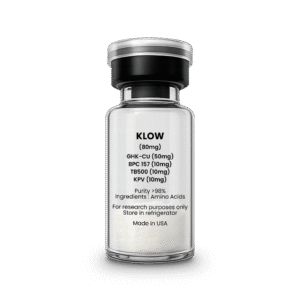
In comparison — 15.8 mg is contained within a single vial. Typically, cosmetic research involving copper peptide creams has utilized concentrations ranging from 0.05 to 0.1 percent GHK-Cu. Thus, a single vial contains approximately 167 times the natural amount present in your bloodstream.
The FDA currently lists GHK-Cu for injectable routes of administration among bulk substances for which compounded injectable drugs may present significant safety risks. A dose — concentration or percentage from one category does not automatically transfer to another. GHK-Cu has a long research history as a naturally occurring copper-binding peptide, and topical GHK-Cu has been studied in limited human skin research.
If you’re new to GHK-Cu, start topical for skin and track it with photos for three months. There are over 100 published papers examining various aspects of GHK-Cu biology. For vials (BrainFlow points readers to Everest Peptides GHK-Cu), 50mg or 100mg, third-party tested by Freedom Diagnostics and sold by a 4.9-star Trustpilot store.
First step: Verify the label.
A lyophilized research vial is not, and pushing a homemade solution through micro-channels in the skin is a different risk from rubbing on a finished product. These are unblinded impressions, some from people using other products at the same time. Another wrote that improvements begin toward the end of the first month, with the best results at 3 to 6 months. One said some people see results at 6 to 8 weeks. Among the Reddit dose reports, most described a single daily morning or evening injection. One commenter claimed that many 100 mg vials hold 130 to 150 mg, which I could not verify and which is why a batch certificate matters.
Topical vs Injectable GHK-Cu: Which Is Better?
Although no clinical trial data substantiate this specific pattern — it resembles the cycling method utilized in other peptide protocols to mitigate receptor downregulation and minimize cumulative metal burden. For patients aged 65 and older, doses exceeding 2 mg daily should only be contemplated in exceptional wound-care situations with documented oversight. In 2018, the most thorough narrative review of GHK biology was published, detailing its effects on wound healing, collagen production, anti-inflammatory signaling, and repair of the nervous system. While GHK-Cu is not typically classified as a CYP substrate — the cycling of oxidative copper relies on the synthesis of ceruloplasmin, a process occurring in the liver. Age introduces factors that fundamentally alter dosing strategies in individuals aged 65 and older compared to younger groups.