
Regular cycling with rest periods maintains benefits while minimizing the MOTS-c peptide reference guide concerns about continuous use. Topical copper peptide products , serums, creams, deliver GHK-CU through the skin rather than injection. Understanding alternatives helps researchers choose appropriate compounds for their goals. GHK-CU is not the only option for researchers interested in tissue repair and anti-aging. This does not mean higher doses are beneficial, only that accidental overdose within reasonable ranges carries minimal acute risk.
Using Connectivity Map data from the Broad Institute, researchers found that GHK modulates 4,000+ genes. This information is for educational purposes only and does not constitute medical advice. A small subset of users report paradoxical skin effects — accelerated breakouts or surface aging when first starting copper peptide therapy.
For anti-aging goals, the GHK-Cu dosage that most researchers find effective falls in the 1–2 mg/day range for injectable subcutaneous use, or 2–4% concentration for topical application. Long-term, high-dose injectable use , above 5 mg/day, without cycling could theoretically contribute to copper accumulation and warrants periodic monitoring. The main consideration at higher combined doses is total copper intake, at standard doses (1–2 mg injectable + topical serum), copper loading remains minimal and clinically insignificant for most people. Use our peptide reconstitution calculator for precise calculations based on your vial size and target dose. When products simply say “copper peptide,” they almost always mean GHK-Cu.
Why injected GHK-Cu is a different risk conversation
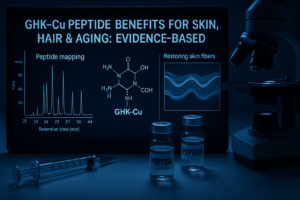
Larger vials offer better value per milligram but require proper storage and may result in waste if not used within the 30-day reconstituted stability window. Understanding the cost per dose helps you budget effectively and compare vial sizes. The key takeaway is that GHK-CU produces measurable, documented improvements when used consistently at appropriate doses. Studies note that copper peptides have « a long history of safe use in wound healing and skin care » and are active at very low concentrations.
Visible regrowth in thinning areas typically takes 3-6 months of consistent daily use. Look for 0.5-1% GHK-Cu or equivalent copper peptide complex. Leave-in treatments or serums should be applied daily to dry scalp, focusing on thinning areas. By weeks 8 to 12 wrinkle depth and firmness change visibly — and the biggest gains land around months 4 to 6 with continued use. GHK-Cu is generally non-irritating, but some people get mild redness when first starting.
Most of the trials we discovered involved testing creams on aging skin in people. Community-reported research protocols (rather than validated regimens), are reflected in the dosing and injection information. The absence of any blue is not indicative of spoilage; in fact, it can suggest that a product does not contain genuine copper peptide.
Is injectable GHK-Cu legal in 2026?

No single cycling protocol has proven superior. The cycling pattern prevents potential receptor desensitization and gives the body periodic breaks from exogenous copper peptide input. Injectable use is a separate (less-studied route), and copper peptides can irritate injection sites. Running these together during a loading phase (especially for joint, tendon, or connective tissue goals) is a well-established protocol.
GHK-Cu timeline: what research and user reports show over 12 weeks
No — GHK-Cu is more often studied for the opposite (supporting hair follicle size and growth), and copper peptides appear in some hair tonics and post-transplant protocols. Some users add copper peptide to their hair routine and report thicker-looking hair or better scalp condition over several months, while others see little. The single most consistent positive report is improved skin texture — smoother, more even, more “bouncy” skin, and a subtle radiance people often call a glow.
This application is the most supported by research (and community feedback generally aligns with it — however), users observe that it performs significantly better on new healing than on older, established scars. Users with longer-term experience frequently mention that fine lines appear softer and skin feels firmer after consistent use over a period of two to three months, which corresponds with the clinical timeline. Each of these options functions uniquely (and instead of selecting one), many individuals prefer to use them together.
Both methods are often utilized simultaneously by numerous researchers — the topical form for specific cosmetic benefits and the injectable form for wider systemic support. For researchers administering subcutaneous GHK-Cu injection (it is crucial to adhere to a consistent and sterile protocol for optimal outcomes and safety), as low–moderate skin barrier limits penetration to about 1–5% of the applied dose. For accurate calculations based on your vial size and intended dose, utilize the peptide reconstitution calculator. Although there is no known risk of interaction between the two methods, it is important to monitor total copper intake when using higher combined doses. A significant proportion of GHK-Cu researchers are women — especially those concentrating on anti-aging for skin and addressing hair loss.
Specifically for skin tightening (the researched method involves applying a topical GHK-Cu cream once or twice daily over 12 weeks), with trials showing improvements in laxity, firmness, and skin density among 67–71 women. While other copper peptides like AHK-Cu are available, GHK-Cu remains the most extensively studied and supported by the strongest clinical evidence. The effects of long-term daily use beyond 12 weeks have not been formally investigated in humans, making cycling , including breaks, a wise approach. In documented combinations (collagen synthesis and matrix remodeling are associated with GHK-Cu), while BPC-157 is linked to angiogenesis and growth factor signaling. The protocols, dosages, and reactions outlined below are derived from both published research and self-reported community sources. The term “copper uglies” refers to a temporary phase of purging — breakouts, or irritation some individuals experience when initiating copper peptides, particularly with topical products layered over strong actives, according to the skincare community.